Thinking about a move to Charleston, West Virginia, but wondering what daily life really feels like? You want a place with steady jobs, shorter commutes, friendly neighborhoods, and homes that make sense for your budget. You also want clear, local guidance that helps you narrow your options fast.
In this guide, you’ll learn how Charleston’s housing, commute patterns, schools, health care, and local culture come together. You’ll also see which neighborhoods tend to fit different lifestyles, plus practical tips for buying or selling in Kanawha County. Let’s dive in.
Why Charleston works for everyday life
Charleston is the capital of West Virginia and the county seat of Kanawha County. It sits where the Elk and Kanawha Rivers meet, and it serves as the region’s civic, cultural, and medical hub. You can confirm official details on the City of Charleston website.
The city counted 46,536 residents at the 2020 Census, and the surrounding metro includes nearby suburbs. For the latest population and household trends, check U.S. Census QuickFacts.
Charleston’s economy leans on state government, health care, education, and retail. Major anchors include the West Virginia State Capitol, Charleston Area Medical Center, and the University of Charleston. The area’s energy and chemical roots remain part of its story, but most jobs today are service and government oriented.
You will feel four true seasons. Summers are warm and humid, winters bring periodic snow, and spring and fall are mild and variable. To explore average temperatures and precipitation, review NOAA Climate Normals.
Housing at a glance
You will find a useful mix of housing styles and price points across Charleston and nearby suburbs.
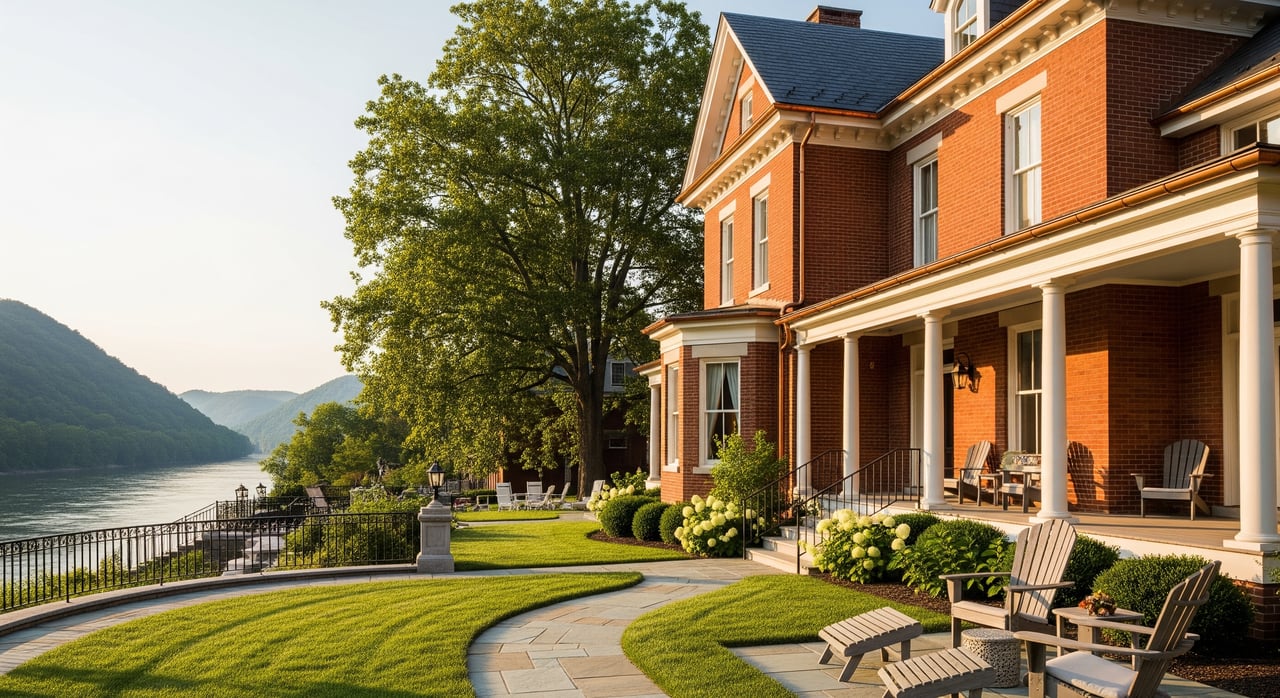
- Historic character near the core. Older homes in the East End and around downtown include Victorians and Craftsman styles with porches and hardwoods. Many offer charm with potential for updates.
- Mid‑century and suburban options. South Hills and outlying areas feature ranches, bungalows, and larger suburban homes, plus some newer subdivisions.
- Condos and townhomes. Downtown, the riverfront, and redevelopment corridors include lower‑maintenance condos and apartments that appeal to professionals and downsizers.
Historically, Charleston has been more affordable than large national markets. Exact sale prices and trends move with the season and neighborhood. For current data, rely on the local MLS or reputable, date‑stamped reports before you shop.
Ownership costs and what to check
- Property taxes. West Virginia rates are generally moderate, but your actual bill depends on assessed value and local levies. Review assessment practices and millage with the Kanawha County Assessor.
- Flood awareness. Areas along the rivers and low‑lying spots can fall within mapped floodplains. Lenders may require flood insurance if a property sits in a designated zone. Check the FEMA Flood Map Service Center and discuss coverage with your insurer.
- Inspections for older homes. Many Charleston homes were built before 1978. Plan for thorough inspections of roof, HVAC, plumbing, foundation, and potential lead‑based paint in older properties.
- Financing. Conventional mortgages are common here. Veterans often use VA financing. Your lender can help you compare options with local taxes and insurance in mind.
Getting around and commute reality
You will likely drive for most daily needs. I‑64 and I‑77 run through Charleston and connect to suburbs like South Charleston, Nitro, and St. Albans. Commutes from central neighborhoods to downtown or major employers are often short by big‑city standards, especially outside peak rush.
The Kanawha Valley Regional Transportation Authority (KRT) runs bus service within the city and into certain suburbs. Coverage is reliable for core routes, though frequency and span are more limited than larger metros. If you prefer to walk, look at Downtown and the East End near the Capitol, Capitol Market, and the Clay Center.
For travel, Yeager Airport (CRW) offers regional flights with easy access from central Charleston.
Schools and education
Public schools are operated by Kanawha County Schools. Performance varies by school and changes over time, so it is wise to review the most current report cards and district resources. For up‑to‑date state data and school report cards, use the West Virginia Department of Education.
For higher education, the University of Charleston offers undergraduate and graduate programs along the river just across from downtown.
Health care access
Charleston Area Medical Center is the region’s primary hospital network and a major employer, with trauma and specialty services that serve families and older adults across the valley. Explore services and locations directly with CAMC.
Everyday amenities, parks, and culture
Charleston’s daily rhythm balances small‑city pace with easy access to essentials.
- Downtown and the Capitol area. The State Capitol complex, the Clay Center for the Arts and Sciences, and Capitol Market host civic, arts, and food events throughout the year. Cafés, local eateries, and seasonal festivals add variety.
- Shopping and errands. You will find a mix of corridor retail, grocery chains, pharmacies, and local boutiques scattered around central Charleston, South Hills, and South Charleston.
- Outdoors. Kanawha State Forest is a short drive from town and offers hiking, mountain biking, and picnic spots. Riverfront parks and greenways provide quick fresh‑air escapes.
Neighborhood snapshots and lifestyle fit
Every buyer’s “right place” depends on daily habits. Here is a high‑level look at common fits. Use this as a starting point, then pair it with current listings and on‑the‑ground tours.
East End, Capitol Hill, and Downtown
- Fit: You want walkability near civic buildings, restaurants, arts venues, and historic architecture.
- Housing: Historic single‑family homes, rowhouses, and some condos or apartments.
- Everyday life: Short commute to state government buildings, CAMC facilities, and the Clay Center. Groceries and local shops are nearby. Street parking and smaller yards are common.
South Hills
- Fit: You prefer an established suburban feel and easy access to both local and chain retail.
- Housing: Mid‑century homes, larger single‑family properties, and some newer infill.
- Everyday life: Mostly car‑dependent with convenient shopping. Buyers with school‑age needs often start their search here and compare zones using official school resources.
Kanawha City and the North Side
- Fit: You want value‑oriented single‑family options with quick access to bridges and highways.
- Housing: Modest bungalows and ranches with garages or off‑street parking.
- Everyday life: Efficient for commuters and close to everyday services, pharmacies, and local businesses.
West Side, Elkview, and nearby suburbs
- Fit: You aim for more space or a newer subdivision and do not mind a slightly longer drive. Suburbs like South Charleston, Nitro, and St. Albans offer typical neighborhood amenities.
- Housing: Newer tract homes, split‑levels, and larger lots where available.
- Everyday life: Family‑friendly routines, parks and ballfields, and easy highway access for commutes.
Riverfront and downtown redevelopment
- Fit: You prefer lower‑maintenance living close to restaurants, events, and the riverfront.
- Housing: Condos, apartments, and conversions with parking options that vary by building.
- Everyday life: Quick access to the Clay Center, the Capitol area, and seasonal events, with less yard work to maintain.
Buyer tips for the Charleston market
- Get pre‑approved early. Strong pre‑approval helps you act quickly in popular pockets like historic districts or newer subdivisions.
- Compare homes by condition, not just square footage. Older homes can offer value, but plan for systems updates and potential lead‑based paint considerations in pre‑1978 houses.
- Check flood maps before you fall in love. Use the FEMA Flood Map Service Center to see if a property sits in a designated flood zone.
- Tour at different times. Drive the route to your job or school at a typical rush hour. It helps you gauge commute consistency.
- Use digital tools to narrow the field. A curated search portal and virtual showings can save time if you are relocating or juggling a busy schedule.
Seller tips for stronger results
- Price with precision. Charleston is generally more affordable than larger metros, but demand varies by neighborhood. Use current comps and condition adjustments to set a compelling price.
- Pre‑list tune‑ups matter. Address roof, HVAC service, and visible maintenance items. Consider a pre‑listing inspection to prevent surprises.
- Highlight lifestyle benefits. Shorter commutes, nearby parks, and proximity to CAMC or the Capitol resonate with buyers.
- Prep for appraisal. Provide your agent with a list of upgrades and recent maintenance to support value.
Ownership and cost considerations
- Property taxes. Budget using assessed values and local levies, then verify specifics with the Kanawha County Assessor.
- Insurance. Ask your agent and insurer about flood, wind, and sewer backup coverage. If a lender requires flood insurance, factor that into monthly costs and contingencies.
- Utilities and energy. Seasonal heating needs can matter for older homes. Review age and efficiency of HVAC and insulation during inspections to anticipate utility bills.
Work, health, and education anchors
Your daily routine will likely touch one or more of these anchors:
- State government: The Capitol complex and downtown offices support many roles across departments.
- Health care: Charleston Area Medical Center and associated clinics employ and serve thousands.
- Higher education: The University of Charleston sits by the river and contributes to the local talent pipeline.
- City services: For permits, parks, and civic updates, use the City of Charleston.
- School info: For district‑level performance and resources, see the West Virginia Department of Education.
- Climate planning: For weather norms, rely on NOAA Climate Normals.
How we can help you move with confidence
Buying or selling here should feel straightforward and personal. Our family‑led team leans on neighborhood knowledge, clear communication, and tech‑enabled tools to make that happen. We offer a customizable home search portal, on‑the‑ground previews for relocators, guidance on inspections and flood due diligence, and quick, data‑informed valuations for sellers.
When you are ready, let’s map your next steps, from first tour to keys in hand.
Ready to explore Charleston with a trusted local? Reach out to Crystal Reeves-Paynter for a warm conversation and a plan tailored to your goals.
FAQs
What is the general cost of housing in Charleston, WV?
- Charleston has historically been more affordable than large national markets, but prices and demand vary by neighborhood, condition, and season; use current local MLS data before you shop.
How is the weather year‑round in Charleston, WV?
- Expect four seasons with warm, humid summers, variable springs and falls, and winters that include periodic snow; for averages, check NOAA Climate Normals.
Which Charleston neighborhoods feel most walkable?
- Downtown and parts of the East End near the Capitol, Capitol Market, and the Clay Center tend to offer more walkable access to dining, culture, and services compared with suburban areas.
What are typical commute options in Charleston, WV?
- Most residents drive using I‑64 and I‑77, while KRT buses serve core routes with limited frequency compared with larger cities; many central neighborhoods have relatively short drives to major job centers.
Are there flood zones in Charleston and Kanawha County?
- Some riverfront and low‑lying areas are in mapped floodplains where lenders may require flood insurance; verify any address through the FEMA Flood Map Service Center before you buy.
How can I research public schools in Charleston, WV?
- Review current report cards and district information through the West Virginia Department of Education, and contact Kanawha County Schools for zone details and enrollment steps.