If you are getting ready to sell your home in South Charleston, you may be wondering what actually makes the biggest difference before you list. In a market filled with mostly owner-occupied, detached homes, buyers are often comparing condition, cleanliness, and price very closely. The good news is that you do not always need a major remodel to make a strong impression. With the right prep plan, you can help your home show well, avoid common issues, and move forward with more confidence. Let’s dive in.
Understand the South Charleston market
South Charleston is a relatively small housing market with a strong owner-occupied base. Recent Census data shows an owner-occupied housing rate of 70.6%, and the city’s housing stock is largely made up of detached single-family homes. Much of that housing was built between 1940 and 1969, which means many buyers are looking at older homes where upkeep and presentation matter.
Current market signals also point to a value-conscious environment. Public listing platforms show median list prices in the upper $190,000s to low $200,000s, a median sale price around $216,000, and median days on market of about 32. Since these sources use different methods, the exact number can vary, but the main takeaway is clear: homes that are priced well and presented well can compete effectively.
Focus on condition over perfection
When you prepare to sell in South Charleston, your goal is usually not to create a luxury showroom. Instead, you want your home to feel clean, functional, cared for, and easy for a buyer to understand. In an area with older homes, buyers often respond best to simple updates that make the home feel move-in ready.
That means your time and money may be better spent on practical improvements than on expensive projects. A deep clean, fresh paint touch-ups, minor hardware updates, and a neat front entry can often do more for buyer perception than a large renovation started right before listing.
Start with a whole-home declutter
Decluttering is one of the most important first steps. According to NAR’s 2025 staging guidance, staging helps buyers picture the property as their future home, and many agents report that it can support better offers or shorter time on market. Even a well-maintained house can feel smaller or less inviting if it is crowded with furniture and personal belongings.
Start by packing away items you do not use every day. Family photos, collections, extra countertop appliances, and overflowing shelves can distract buyers from the space itself. Closets also matter, so try to keep them about half full to make storage feel more generous.
Deep clean every visible surface
Cleanliness sends a strong message about how a home has been cared for. Before photos or showings, focus on floors, baseboards, windows, bathrooms, kitchen surfaces, and light fixtures. High-traffic areas and entry points deserve extra attention because they shape the first impression.
If you have pets, cooking odors, or musty areas, deal with those before listing. Buyers may forgive dated finishes more easily than they forgive a home that feels dirty or neglected. A spotless home helps buyers focus on the layout and features instead of small distractions.
Make simple cosmetic updates
For many South Charleston homes, small cosmetic improvements are the sweet spot. Neutral paint in problem areas can brighten rooms and make the home feel more consistent. Replacing tired cabinet hardware, outdated light fixtures, or worn switch plates can also give a cleaner, more current look without a full remodel.
Try to be selective. You do not need to update everything at once. Focus on the areas that show wear most clearly or create the strongest visual impact, especially the kitchen, bathrooms, living room, and primary entry spaces.
Improve curb appeal at the front approach
Your exterior sets expectations before a buyer even walks inside. NAR identifies the entry as a common area that sellers overlook, and that matters in a market where many homes have traditional front approaches, porches, and mature lots. A tidy, welcoming exterior can help your home feel cared for from the start.
Simple tasks can go a long way:
- Mow and edge the lawn
- Trim overgrown shrubs
- Sweep the porch and walkway
- Remove dead plants or debris
- Touch up peeling paint where needed
- Clean the front door
- Add a fresh doormat or simple seasonal planter
These updates are usually affordable, but they can improve the tone of the entire showing.
Address deferred maintenance early
Because much of South Charleston’s housing stock is older, deferred maintenance can quickly become a buyer concern. Issues like roof wear, peeling paint, loose caulking, clogged gutters, minor leaks, HVAC neglect, electrical problems, or dampness near the foundation can come up in walkthroughs or inspections. Even if the issue seems small to you, buyers may see it as a sign of bigger hidden problems.
Before listing, walk your property with fresh eyes. Make a short list of obvious repair items and handle the ones that affect safety, function, or buyer confidence. In many cases, small repairs made early are easier and less stressful than rushed fixes after an inspection.
Know when permits may be needed
If you are thinking about doing more than cosmetic work before listing, check permit requirements first. South Charleston’s Building Permits & Inspections office accepts applications online and asks for details involving zoning, floodplain status, setbacks, drainage, foundation work, parking, and structural plans. That makes early planning especially important for projects involving roofs, drainage, decks, additions, or foundation work.
If you are unsure whether a project needs approval, it is wise to check before work begins. Waiting too long can create delays, paperwork issues, or questions once your home is under contract.
Stage for photos and showings
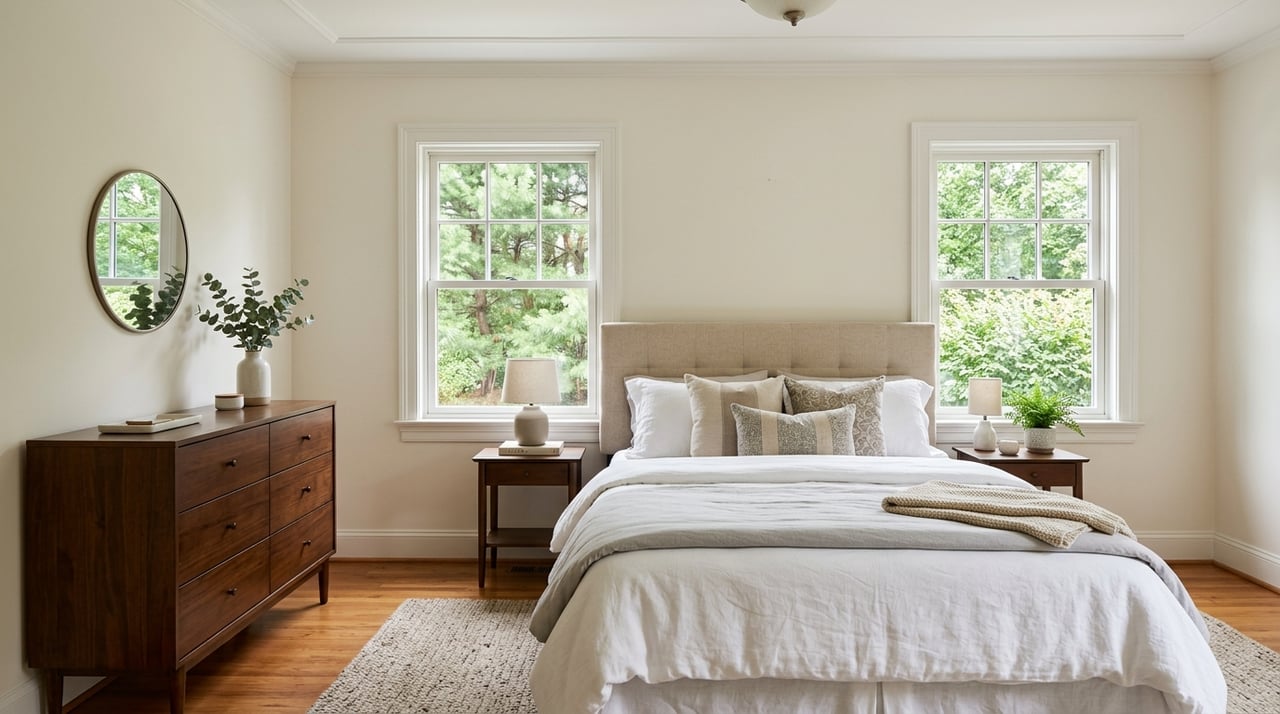
Once the home is decluttered, cleaned, and repaired, think about how it will look in photos and in person. NAR recommends taking listing photos after the home has been decluttered, then reviewing the images to see what stands out. Sometimes a room that looks fine in person appears crowded, dark, or unbalanced in pictures.
A few basic staging moves can help:
- Use fresh towels and bedding
- Remove bulky furniture if rooms feel tight
- Clear bathroom and kitchen counters
- Add light, simple decor
- Open blinds and let in natural light
- Keep walkways open and easy to navigate
The goal is not to make your home look fancy. The goal is to help buyers clearly see the space, function, and livability.
Set a smart showing plan
Once your home goes live, consistency matters. Your home should be kept in the same general condition for every showing, especially in the first few weeks on market. That means having a routine for dishes, laundry, pet items, trash, and quick touch-ups before someone walks through.
It also helps to decide the logistics in advance. West Virginia’s required agency disclosure form highlights that consumers must be informed whom the licensee represents before any contract is signed, and licensees must promptly present all written offers and provide legible copies of contracts. For you as a seller, that makes early coordination with your agent important, including how showings will be scheduled, how quickly offers will be reviewed, and what level of readiness the home will stay in while it is listed.
Price against today’s competition
Pricing is one of the biggest parts of pre-listing preparation. It is easy to anchor to what you paid, what you spent on updates, or what you hope to net. But in practice, buyers compare your home to what is currently available and to recent local sales.
In South Charleston, current public data suggests homes are often selling close to asking price, with median days on market measured in weeks rather than many months. That can reward accurate pricing, but it can also make small pricing mistakes more noticeable. If your home is priced too high for its condition or competition, buyers may move on quickly.
Build your prep checklist
If you want a simple way to stay organized, start with this pre-listing checklist:
- Declutter each room
- Pack away personal items
- Deep clean the whole house
- Touch up paint in worn areas
- Fix minor maintenance problems
- Clean up gutters and drainage areas
- Refresh the front entry
- Reduce extra furniture if rooms feel tight
- Prepare closets and storage areas
- Confirm whether any planned repairs need permits
- Review photo readiness
- Create a showing routine
- Work with your agent on pricing strategy
A focused checklist can keep you from overspending or getting stuck on low-value projects.
Keep your updates practical
One of the smartest ways to prepare a South Charleston home for sale is to stay practical. The city’s housing profile and current market pace suggest that buyers are often looking for solid value, everyday function, and a home that feels well maintained. Livability, safety, and straightforward presentation usually matter more than dramatic upgrades.
That can be encouraging if you have been putting off selling because your home is not fully remodeled. In many cases, careful prep, realistic pricing, and a clear plan can position your home well without taking on a major renovation.
If you are not sure where to start, a local perspective can help you focus on the updates that buyers in South Charleston are most likely to notice. When you want calm, honest guidance on pricing, presentation, and next steps, Crystal Reeves-Paynter is here to help.
FAQs
What should I fix before selling a home in South Charleston, WV?
- Focus first on visible maintenance and functional issues such as leaks, peeling paint, roof wear, gutter problems, caulking, HVAC service needs, electrical concerns, and dampness near the foundation.
How important is staging when selling a South Charleston home?
- Staging can be very helpful because it makes it easier for buyers to picture the home as their future space, and simple steps like decluttering, cleaning, and reducing bulky furniture can make a strong difference.
Do I need permits for repairs before listing my South Charleston property?
- Cosmetic work may not require permits, but larger projects involving roofs, drainage, decks, additions, foundations, or structural changes should be checked with South Charleston’s Building Permits & Inspections office before work begins.
How should I price my home in South Charleston, WV?
- Your price should be based on current local competition and recent market activity, not only on your original purchase price or renovation costs.
What matters most in listing photos for a South Charleston home sale?
- Clean rooms, open space, good light, and minimal clutter matter most because they help buyers notice the home’s layout and condition instead of distractions.