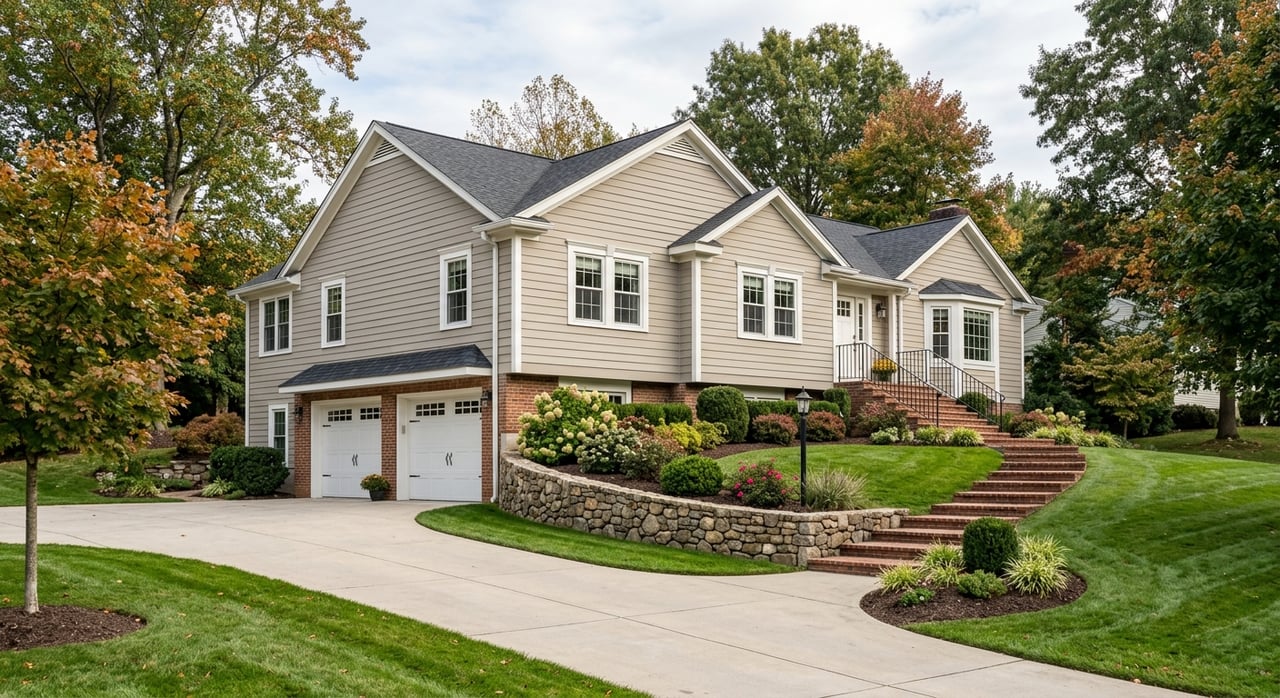
Thinking about a move to Charleston, West Virginia? One of the biggest surprises for many buyers is how much the feel, price point, and day-to-day logistics can change from one part of the city to another. If you are relocating from out of town, this guide will help you understand Charleston’s housing range, compare key neighborhoods, and spot local details that matter before you buy. Let’s dive in.
Why Charleston Stands Out
Charleston is a compact city, which can be a real advantage when you are learning a new place. The U.S. Census Bureau estimates the city at 46,117 residents as of July 1, 2025, and reports a mean travel time to work of 16.9 minutes. That gives many buyers a smaller-city feel with practical access to work, errands, and daily routines.
Charleston also works well for remote relocation. Census data shows 95.1% of households have a computer and 90.7% have a broadband subscription. If you plan to rely on video tours, shared documents, and frequent virtual communication, that strong digital access supports a smoother search process.
Charleston Housing at a Glance
One of the most important things to know is that Charleston is not a one-price market. Citywide numbers can help set expectations, but they do not tell the full story. Your budget may go much further in one area than another.
Census QuickFacts reports a median value of owner-occupied housing units of $203,300 and a median gross rent of $908 for 2020 through 2024. Zillow reports a typical home value of $165,051 as of May 31, 2026, with 287 homes for sale, a median list price of $176,650, and a median sale price of $179,000. The practical takeaway is that Charleston generally sits in the high-$100,000s to low-$200,000s, depending on whether you are looking at assessed value, typical value, asking price, or closed sales.
The market also appears active but still somewhat negotiable. Zillow reports a median sale-to-list ratio of 0.978, with 21.9% of sales over list price and 66.2% under list price. That suggests you may have room to negotiate in many situations, though not every home or neighborhood will behave the same way.
Why Neighborhood Choice Matters
In Charleston, neighborhood choice affects more than style and budget. It can also shape your commute, parking options, lot layout, renovation plans, and even what changes you can make to a property.
Charleston’s official planning framework highlights East End, Kanawha City, North Charleston / Edgewood / Oakridge, South Hills / Corridor G, and the West Side. The city also notes nine districts listed on the National Register of Historic Places, including Downtown, East End, East End Expansion, Edgewood, Elk City, Grosscup Road, Luna Park, Spring Hill Cemetery, and Five Corners. If you are comparing homes online, it helps to know that rules and property patterns can shift block by block.
East End Homes and Character
The East End is often a strong fit for buyers who want a more urban setting with historic character. The city describes it as having an eclectic, urban feel, and local design guidelines identify about 400 buildings in the district. Architectural styles there include Queen Anne, Colonial Revival, Bungalow, Foursquare, Tudor Revival, Greek Revival, Chateauesque, and Art Deco.
Zillow places East End at a typical home value of $152,900. That can make it appealing to buyers who want charm and proximity to central Charleston without reaching the higher price points found in some other areas.
East End Relocation Considerations
The original East End Historic District boundary is the only property area in the city subject to design review by the Charleston Historic Landmarks Commission. That means a home’s historic status is not just a detail for architecture lovers. It can affect exterior changes, renovations, and project timelines.
If you are relocating from afar, ask early whether a property falls within that original boundary. A home tour may show beautiful details, but you also want to understand what ownership looks like after move-in.
South Hills Price Point and Terrain
South Hills tends to sit higher in Charleston’s price range. Zillow places the neighborhood at a typical home value of $261,120, making it one of the city’s higher-priced residential areas.
The city’s South Hills / Corridor G plan points to strong neighborhood character and newer homes in parts of the area. It also notes terrain-related limits on sidewalks, bikeways, and connectivity. In simple terms, this is a good reminder that map distance and real-life movement are not always the same in Charleston.
South Hills Relocation Considerations
If you are considering South Hills, pay close attention to driveway grades, street access, and how a home sits on its lot. These details matter in any hilly market, but especially in a city where topography shapes daily routines.
The city also recommends maintaining older homes and supporting reinvestment and rehabilitation in the area. If you are buying an older property, condition and upkeep deserve a close look during your search.
Kanawha City Access and Layout
Kanawha City can be a practical option for buyers who want flatter terrain and straightforward access. The city’s plan says the area has Charleston’s longest commercial corridor, strong residential areas in the flats, and a traditional grid with lot sizes commonly described as 25 by 120 feet or 50 by 120 feet.
Zillow places Kanawha City at a typical home value of $208,830. That positions it near the middle-to-upper part of Charleston’s overall range, depending on the property.
Why Buyers Like Kanawha City
The city notes interstate exits at both ends of the corridor, which can help with day-to-day convenience. For a relocator who wants easier navigation, a flatter layout and more direct access can be a real plus.
This area may also appeal to buyers who want a neighborhood that feels practical and connected to services, shopping corridors, and commuter routes.
West Side Value and Opportunity
The West Side stands out as one of Charleston’s more value-oriented housing areas. Zillow places it at a typical home value of $61,294, the lowest among the neighborhoods tracked in the city snapshot.
Charleston’s West Side plan highlights historic disinvestment, small lot sizes, and opportunities for creative reuse and historic preservation. For some buyers and investors, that may create opportunities to look at lower price points or renovation potential within city limits.
West Side Relocation Considerations
The same plan notes that the river and highway physically separate the West Side from downtown. That can affect how access feels in daily life, even when a map makes distances look short.
If you are considering this area, it is smart to think in terms of value and project fit rather than assuming a standard move-up market. Condition, access, and long-term plans for the property matter here.
Downtown and Nearby Pockets
Downtown sits near the middle of Charleston’s value range, with Zillow showing a typical home value of $199,746. That can make it useful for buyers who want a central location without assuming every close-in area carries the same pricing or housing style.
Nearby pockets also show meaningful variation. Zillow lists Oakridge / Greenbrier at $163,803 and Edgewood at $88,618. If you are relocating, these smaller subareas are worth comparing closely instead of treating central Charleston as one uniform market.
Commute, Roads, and Daily Logistics
Charleston’s layout is shaped by rivers, hills, and major road corridors. Kanawha County’s comprehensive plan describes the area as a crossroads for I-64, I-77, I-79, U.S. 60, U.S. 119, WV 61, and WV 62. The practical result is that Charleston is compact, but routes and travel patterns can feel very different depending on where you live.
The county plan also notes that development and roadways follow the terrain, with grid patterns in traditional city centers and more suburban patterns in growth areas. That matters when you are comparing homes in flatter sections versus hillside locations.
A Short Distance May Feel Longer
The county plan flags future congestion pressure on corridors including I-64, U.S. 60, U.S. 119, WV 61, and WV 62. So even though Charleston’s average commute is short, a quick drive on paper may not feel the same during a busy part of the day.
When you narrow your neighborhood list, it helps to think beyond mileage. Look at access points, elevation, and the exact route you would use most often.
Parking and Transit Matter More Than You Think
Kanawha County’s plan says public transportation is provided by the Kanawha Valley Regional Transportation Authority, with fixed-route bus service centered on downtown Charleston and paratransit for riders who cannot use fixed-route service. Charleston’s transportation department also manages parking meters, garages, resident permit parking, traffic signals, street closures, and walking and bicycling support.
For close-in neighborhoods like the East End, West Side, or downtown-adjacent areas, parking should be part of your home search from day one. It is not a small detail to sort out after closing.
Floodplain and Historic District Checks
Charleston’s floodplain information is especially important for relocation buyers. The city says it has seen 13 floods greater than the 1% annual chance flood and participates in the National Flood Insurance Program Community Rating System with a Class 9 rating, which provides an automatic 5% flood insurance discount.
If you are searching from out of town, treat flood-zone status as a key filter, especially for lower-lying or river-adjacent properties. This is one of those local details that can affect both cost and peace of mind.
Ask These Questions Early
Before you get too far into a property, confirm:
- Whether the home is in a floodplain
- Whether the home is in a historic district
- Whether parking permits or access restrictions apply
- What the driveway, retaining walls, and street approach look like on video
In Charleston, these questions can save you time and help you avoid surprises.
Remote Buying and Closing in Charleston
Remote home shopping is very workable in Charleston, especially with strong broadband access and a good supply of public planning information. Still, local due diligence matters because floodplain rules, parking rules, and historic review issues can be very property-specific.
West Virginia law also shapes how remote closings work. The Secretary of State explains that e-notarization for electronic documents is performed by a commissioned notary, but ordinary e-notarization still requires the signer to be physically present unless a specific remote-notarization statute applies. WV Code §39-4-38 covers remote notarization for remotely located individuals and requires identification procedures, an audio-visual recording at the time of notarization, and five-year retention of that recording.
A Smart Remote-Buyer Checklist
If you are moving to Charleston from a distance, keep your checklist simple and local:
- Confirm floodplain status
- Confirm historic district status
- Verify parking or permit requirements
- Ask for video showing grade, driveway access, and street approach
- Clarify the closing and notarization process early with the parties involved
A careful local process helps remote buyers make confident decisions, especially in a market shaped by hills, rivers, and historic areas.
How to Narrow Your Neighborhood Search
If you are just getting started, a few broad patterns can help. East End offers historic character and an urban feel. South Hills leans higher in price and requires careful attention to terrain. Kanawha City often appeals to buyers who want flatter access and a practical corridor layout. West Side can offer lower entry points and value-oriented opportunities.
That does not mean one neighborhood is better than another. It means the right fit depends on your budget, commute, renovation goals, and comfort with Charleston’s local factors.
A thoughtful relocation plan starts with matching your daily life to the part of the city that supports it best. If you want local guidance with clear communication and a personal approach, Crystal Reeves-Paynter is here to help you explore Charleston with confidence.
FAQs
What is the typical home price range in Charleston, WV?
- Charleston generally falls in the high-$100,000s to low-$200,000s overall, though values vary widely by neighborhood and by whether you are looking at assessed values, typical values, list prices, or sale prices.
Which Charleston, WV neighborhoods are most important for relocators to compare?
- East End, South Hills, Kanawha City, West Side, and downtown-adjacent pockets are some of the most useful areas to compare because they differ in price, layout, access, and housing style.
What should remote buyers check before buying a home in Charleston, WV?
- Remote buyers should confirm floodplain status, historic district status, parking or permit rules, driveway grade, retaining walls, and street access before moving forward.
Is Charleston, WV a negotiable housing market for buyers?
- Recent Zillow data suggests many Charleston sales close below list price, which points to some room for negotiation in the market, though conditions can vary by neighborhood and price range.
How does Charleston, WV terrain affect daily living?
- Charleston’s river-valley geography and hillside development can affect drive times, walkability, driveway slope, street access, and neighborhood connectivity, so terrain should be part of your home search.
Can you close on a Charleston, WV home remotely?
- Yes, distance closings can be feasible, but the exact process depends on the document type, notarization method, and the requirements of the lender or title company under West Virginia rules.