Wondering whether to fix up your Charleston home or sell it just the way it sits? You are not alone. Many homeowners face this exact question, especially when an older home may need more work than it first appears. The good news is that you do not have to guess. With the right local lens, you can make a decision that protects your time, budget, and peace of mind. Let’s dive in.
Why condition matters in Charleston
Charleston’s housing market gives sellers opportunity, but it also rewards realistic pricing and solid presentation. Recent data show a range of pricing and timing depending on the source: Redfin reported a March 2026 median sale price of $185,000 with 46 median days on market, while Zillow reported a January 2026 median sale price of $160,750 and a February 2026 median list price of $172,950. Realtor.com showed a median listing price of $136,500, about 71 days on market, and 390 active homes.
The big takeaway is simple: buyers in Charleston are paying attention to value. With a median sale-to-list ratio of 0.974 on Zillow, some homes are selling below list price. That means spending heavily on renovations does not always guarantee you will get every dollar back at closing.
Charleston prices vary by area
Not every part of Charleston supports the same renovation budget. Realtor.com reported nearby pricing ranges from North Charleston at $49,400 to West Side at $119,000, Downtown Charleston at $191,847, and Rome at $235,000.
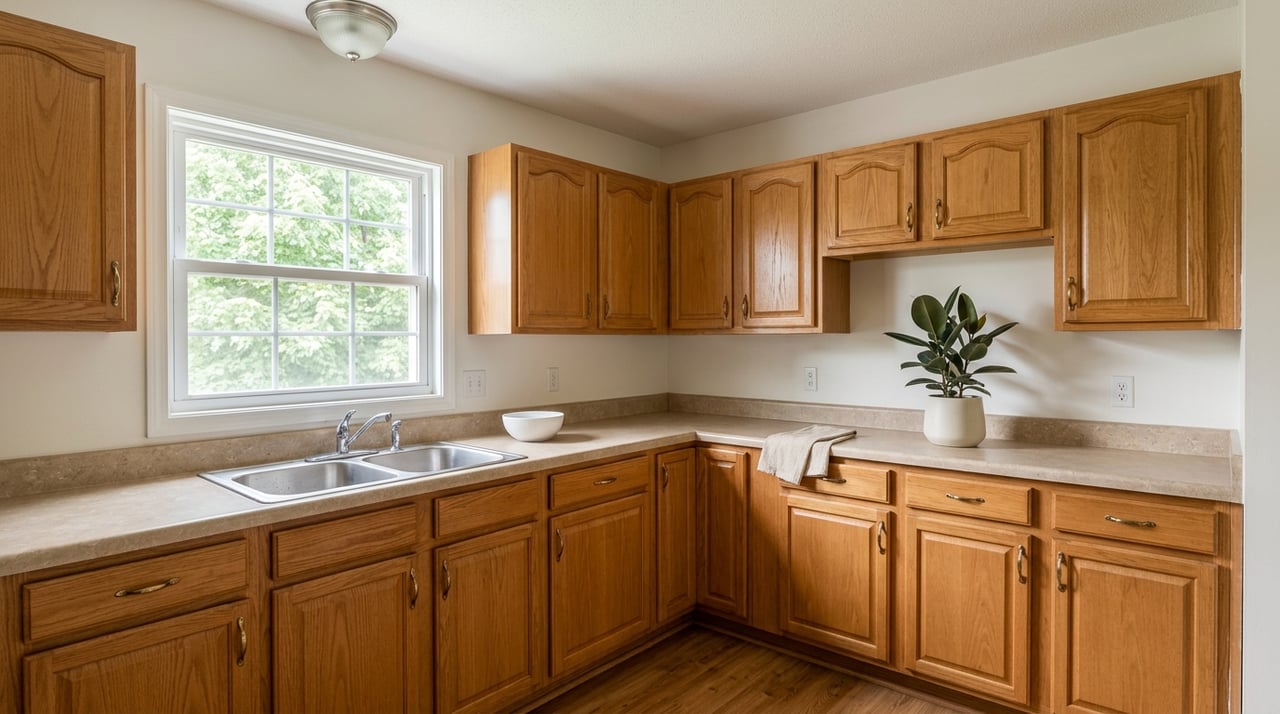
That spread matters because the same update can perform very differently depending on where your home sits. A major kitchen remodel may feel worthwhile, but if your home is already near the top of its local price range, over-improving can limit your return.
Why older homes can change the equation
Charleston has an older housing stock, and that affects renovation decisions. In the City of Charleston’s 2025-2029 Consolidated Plan, the city reported that 69.9% of housing stock was built before 1980. The plan also estimated that 12,190 occupied units built before 1979 are at risk for lead-based paint hazards.
For you as a seller, that means a project that looks cosmetic on day one can grow into a larger repair job once work starts. Older walls, systems, and surfaces can reveal hidden issues, especially if the property has deferred maintenance.
When selective updates make sense
If your home is structurally sound and most of the issues are cosmetic, selective updates often make more sense than a full renovation. This approach can help your home show better without pushing you into a long, expensive project.
National staging and remodeling data in the research point toward modest, visible improvements. NAR’s 2025 staging report found that 29% of agents said staging increased offered value by 1% to 10%, and 49% said it reduced time on market. The most common seller recommendations were decluttering, deep cleaning, and improving curb appeal.
NAR’s 2025 Remodeling Impact Report also pointed to smaller projects with stronger cost recovery, such as a new steel front door, closet renovation, and new fiberglass front door. REALTORS® also commonly recommend painting and addressing a worn roof when needed.
Smart pre-listing fixes to consider
If you are trying to spend carefully, these updates are often the most practical place to start:
- Deep cleaning the entire home
- Decluttering rooms, closets, and storage areas
- Fresh paint in dated or heavily marked spaces
- Minor curb appeal improvements
- Simple fixture updates
- Obvious small repairs buyers will notice right away
These types of improvements can help buyers focus on the home itself instead of your to-do list. They also tend to be less disruptive than major remodels.
When selling as-is may be the better choice
Sometimes selling as-is is the more practical move. If your home needs a roof replacement, structural repair, water intrusion work, or major system replacement, the cost and risk of renovation can rise quickly.
This can be especially true if you are short on cash, working on a tight timeline, or simply do not want the stress of managing contractors and permit-heavy work. In those cases, selling as-is may help you move forward faster with fewer surprises.
The research also notes that inspections and appraisals can uncover major issues, and some loan programs require the property to meet certain standards before closing. In some cases, lenders may require repairs or use a repair escrow.
Signs you may want to lean as-is
Selling as-is may deserve serious consideration if:
- The home has major system or structural problems
- Water damage or roof issues are present
- You suspect repairs could uncover more hidden work
- The work would require multiple permits or licensed trades
- Your budget does not support the repair scope
- Comparable homes nearby do not support a much higher resale price
Selling as-is does not mean giving up. It means choosing a strategy that fits the property and your goals.
Local code and permit issues to remember
In Charleston, property condition is not just a buyer preference issue. It can also involve code compliance. The city says West Virginia’s 2018 International Property Maintenance Code is enforced in Charleston and covers minimum standards for structures, interiors, exteriors, utilities, fire safety, and sanitation.
The city also states that owners receive violation notices when issues are found. Importantly, transferring ownership without informing the buyer about existing violation notices is itself a code violation.
If you are thinking about doing repairs before listing, permits matter too. Charleston requires permits before construction work begins, including for remodeling, repairs, roofs, replacement windows, siding, plumbing, electrical, and HVAC work.
West Virginia’s business portal says any construction business handling a project with a total cost of $2,500 or more needs a contractor license. The WV Division of Labor also says all people performing HVAC work need HVAC technician certification. In short, contractor verification should be part of your plan from the beginning.
Lead-based paint is a key factor
If your Charleston home was built before 1978, lead-based paint rules may affect your decision. Federal law requires sellers of most pre-1978 homes to disclose known lead-based paint hazards, provide available records and reports, give buyers the required lead pamphlet, include a lead warning statement, and allow buyers an opportunity to inspect for lead hazards.
This matters even more if you are considering repainting, scraping, or demolition before listing. According to the research, renovation work that disturbs lead-based paint in pre-1978 homes generally must be done by EPA- or state-certified firms using lead-safe work practices.
That means a low-budget cosmetic update may not stay low-budget if lead-safe work practices are needed. For many sellers, this is one of the strongest reasons to compare the cost of renovating against the simplicity of an as-is sale.
A simple way to decide
If you are stuck, use this practical framework.
Renovate selectively if...
- The home is structurally sound
- Most issues are cosmetic
- You can keep the work focused and budget-conscious
- Nearby comparable homes support a higher price after light updates
Sell as-is if...
- The home needs major repairs
- The work could trigger permits, specialty contractors, or lead-safe requirements
- You do not want the risk of repair overruns
- The likely price increase may not justify the investment
This is where local knowledge matters. The best answer is not always the most polished house. It is the strategy that leaves you with the strongest overall outcome.
Get estimates before you decide
Before committing to either path, it helps to gather a few real numbers. NAR’s contractor guidance in the research recommends interviewing at least three contractors, comparing bids, and confirming the contractor is licensed and insured.
That step can give you a clearer view of what repairs would actually cost. Once you have those estimates, it becomes much easier to compare likely sale-price improvement against your out-of-pocket expense, time, and stress.
The Charleston bottom line
In Charleston, the smartest move is usually not a full renovation or a total hands-off approach. It is a measured decision based on your home’s condition, your neighborhood price range, and the real cost of getting the work done.
If your home needs mostly cosmetic help, selective improvements like cleaning, paint, decluttering, and curb appeal may be enough to strengthen your sale. If the property has deeper issues, an as-is strategy may protect your net proceeds and your timeline better than a major pre-listing project.
When you are ready to weigh your options, a local, honest pricing conversation can make all the difference. If you want guidance tailored to your home and your goals, reach out to Crystal Reeves-Paynter for a practical next step.
FAQs
Should I renovate before selling a home in Charleston, WV?
- It depends on the home’s condition, repair scope, and local price support. In many Charleston sales, smaller cosmetic updates make more sense than major remodels.
What repairs matter most before listing a house in Charleston?
- The research supports focusing first on deep cleaning, decluttering, fresh paint, curb appeal, minor visible repairs, and addressing a worn roof when needed.
When is it better to sell a Charleston home as-is?
- Selling as-is may be the better option when the home has major system issues, structural concerns, water intrusion, or repair costs that could outrun neighborhood resale support.
Do I need permits for repair work before selling in Charleston, WV?
- Yes, Charleston requires permits before certain construction work begins, including many remodeling, repair, roof, window, siding, plumbing, electrical, and HVAC projects.
What if my Charleston house was built before 1978?
- A pre-1978 home may involve lead-based paint disclosure obligations at sale, and renovation work that disturbs painted surfaces may require lead-safe practices by certified firms.
Can buyers still purchase an as-is home in Charleston?
- Yes, but inspections, appraisals, and loan requirements may still affect the transaction, and some lenders may require repairs or use a repair escrow before closing.